The Geopolitical Pivot: How Internal Capacity Can Lower Food Costs for Canadians
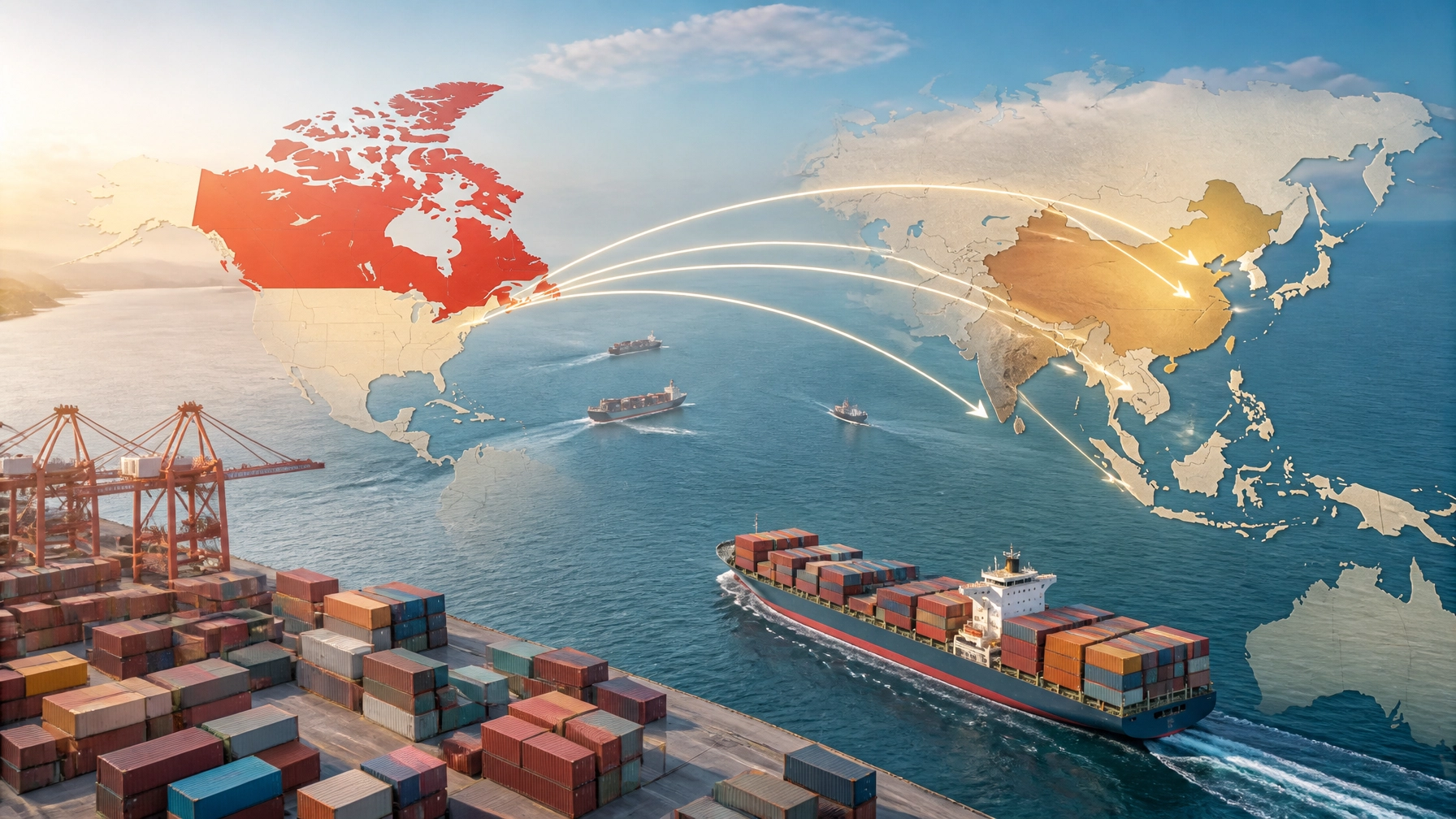
![[HERO] The Geopolitical Pivot: How Internal Capacity Can Lower Food Costs for Canadians](https://cdn.marblism.com/jW98ICbRYG3.webp)
The world is unstable. That's not alarmism: it's a statement of fact.
Trade relationships that seemed permanent a decade ago are now being renegotiated, disrupted, or abandoned entirely. Supply chains that once moved goods seamlessly across borders are buckling under the weight of geopolitical tension, tariff wars, and shifting alliances. And for Canada, a nation that has long relied on the predictability of international trade, the message is becoming increasingly clear: we need to chart a new course.
At the centre of this conversation is something every Canadian cares about deeply: the cost of food. Grocery bills have become a kitchen-table issue in households from coast to coast. And while there are no simple fixes, there is a strategic path forward: shoring up domestic food production capacity.
This isn't just an industry goal anymore. It's a national necessity.
The New Geoeconomic Reality
For decades, Canada benefited from a relatively stable global trade environment. We exported what we produced well: grains, canola, beef: and imported what was cheaper or more convenient to source elsewhere. The system worked. Until it didn't.
The past few years have exposed the fragility of this model. Pandemic-related disruptions, geopolitical conflicts, and protectionist policies from trading partners have all contributed to a sobering realization: reliance on imported food is a vulnerability.
When global supply chains falter, Canadians feel it at the checkout counter. Rising import costs, currency fluctuations, and transportation bottlenecks all translate into higher prices for everyday essentials. And when a significant portion of our fresh produce, processed goods, and specialty ingredients comes from outside our borders, we're essentially outsourcing our food security.
The geopolitical pivot isn't optional. It's happening whether we're ready or not. The question is: will Canada lead this transition strategically, or simply react to it?

The Economic Case for Domestic Capacity
Here's the straightforward logic: more food produced in Canada means less exposure to international market volatility.
When we grow, process, and distribute more food domestically, we insulate ourselves from the unpredictable swings of global trade. We reduce transportation costs. We create Canadian jobs. And critically, we create downward pressure on food prices over the long term.
This isn't theoretical. The federal government has recognized this connection and is making significant investments to strengthen internal capacity:
- $500 million from the Strategic Response Fund is being directed toward helping food businesses expand capacity and increase productivity: without passing those costs on to consumers.
- $150 million through the Food Security Fund is supporting small and medium enterprises to scale up operations.
- Accelerated immediate expensing for greenhouses allows farmers to fully write off the cost of new greenhouse facilities immediately, freeing up capital for expansion and modernization.
These investments aim to create more greenhouses and processing facilities closer to consumers, resulting in more resilient supply chains and, ultimately, lower prices at the grocery store.
The government is also developing a National Food Security Strategy focused on strengthening domestic production, improving access to affordable nutritious food, and ensuring fair competition in the grocery sector.
This is the moment. The policy environment is supportive. The funding is available. But here's what often gets overlooked: accessing these opportunities requires more than ambition. It requires a sophisticated understanding of how to navigate the regulatory landscape.
Where Strategy Meets Regulation
Building domestic food production capacity sounds straightforward on paper. In practice, it's a complex undertaking that intersects with a web of federal and provincial regulations: most notably, those governed by the Canadian Food Inspection Agency (CFIA).
Whether you're expanding a processing facility, launching a new product line, building an abattoir, or scaling up greenhouse operations, you will encounter regulatory requirements at every turn. Preventive Control Plans. Licensing. Labelling. Traceability. Safe Food for Canadians Regulations (SFCR) compliance.
These regulations exist for good reason: they protect public health and maintain consumer confidence in Canadian food products. But for businesses trying to move quickly to capitalize on new funding opportunities or market demands, regulatory complexity can become a significant bottleneck.
The challenge isn't the regulations themselves. It's understanding how to work within them efficiently: ensuring safety and compliance without stifling growth or getting mired in bureaucratic delays.

This is where strategic consulting becomes essential. Businesses need guidance from professionals who understand both the regulatory framework and the commercial realities of the food industry. Professionals who can help them:
- Design compliant operations from the outset, avoiding costly retrofits or delays
- Navigate licensing and approval processes with confidence and efficiency
- Develop Preventive Control Plans that satisfy CFIA requirements while remaining operationally practical
- Prepare for inspections and audits so they become routine rather than disruptive
- Scale responsibly, ensuring that growth doesn't outpace compliance infrastructure
Building a more resilient Canadian food system isn't just about pouring concrete and planting seeds. It's about building the regulatory and operational foundations that allow domestic capacity to thrive: safely, sustainably, and profitably.
A Strategic Imperative for Canadian Businesses
For food businesses, this geopolitical pivot represents both a challenge and an opportunity.
The challenge is clear: the old playbook of relying on cheap imports and established supply chains is becoming less viable. Businesses that don't adapt will find themselves squeezed by rising costs and supply unpredictability.
The opportunity, however, is significant. Businesses that invest in domestic capacity now: while government funding is flowing and consumer demand for Canadian-produced food is rising: can position themselves as leaders in a transformed market.
But seizing this opportunity requires more than capital investment. It requires:
| Strategic Priority | Why It Matters |
|---|---|
| Regulatory Readiness | Ensures expansion plans don't stall at the licensing stage |
| Operational Excellence | Builds efficiency that translates to competitive pricing |
| Risk Management | Protects against supply chain disruptions and compliance failures |
| Long-Term Planning | Aligns business strategy with evolving policy and market conditions |
The businesses that will thrive in this new geoeconomic reality are those that approach domestic capacity building not as a reactive measure, but as a strategic initiative: one that integrates regulatory expertise, operational planning, and market positioning from day one.
Building Canada's Food Future: Together
The conversation about food security in Canada is no longer abstract. It's urgent, tangible, and directly connected to the prices Canadians pay every week at the grocery store.
Shoring up domestic production capacity is one of the most powerful levers we have to address this challenge. It reduces our vulnerability to global instability. It keeps more economic activity within our borders. And it creates a pathway to lower, more stable food costs for Canadian families.
But building this capacity: quickly, safely, and sustainably: requires expertise. It requires understanding the regulatory environment not as an obstacle, but as a framework within which to build something resilient and lasting.
That's where I come in.
With deep experience in food industry regulatory consulting and strategic planning, I help businesses navigate the complex intersection of policy, regulation, and commercial strategy. Whether you're expanding operations, launching new facilities, or seeking to capitalize on government funding programs, I serve as a trusted advisor: helping you move confidently through the regulatory landscape while keeping your strategic objectives front and centre.
Canada's food system is at a pivotal moment. The decisions we make now will shape our resilience for decades to come.
If you're ready to be part of building a stronger, more self-sufficient Canadian food sector, let's talk. Together, we'll chart a path that's compliant, strategic, and built for the long term.