Looking For a CFIA Import License? Here Are 10 Things You Should Know Before Applying
![[HERO] Looking For a CFIA Import License? Here Are 10 Things You Should Know Before Applying](https://cdn.marblism.com/d0RgZ2fPjYf.webp)
If you're planning to import food products into Canada, navigating the Canadian Food Inspection Agency (CFIA) licensing requirements can feel like entering a maze blindfolded. One wrong turn, and your shipment sits at the border while your costs pile up.
The truth? Most importers don't realize that the CFIA import license process requires strategic preparation: not just paperwork. After years of helping businesses successfully navigate these regulatory waters, I've seen the same knowledge gaps trip up even experienced companies.
Let's clear up the confusion. Here are the 10 essential things you need to know before applying for a CFIA import license.
1. You Need a Safe Food for Canadians (SFC) License: Not Just "An Import License"
First, let's get the terminology straight. What most people call a "CFIA import license" is officially a Safe Food for Canadians (SFC) license issued under the Safe Food for Canadians Act (SFCA) and its regulations (SFCR).
This isn't just semantics. Understanding that you're applying for an SFC license helps you navigate the CFIA's Licensing interactive tool correctly and ensures you're looking at the right requirements for your specific products.
Bottom line: If you're importing most food products into Canada, you'll need this license before your goods arrive at the border. Use the CFIA's Licensing interactive tool to confirm whether your specific products require one.

2. Verify Your Commodity Requirements FIRST Using AIRS
Here's where many importers make their first mistake: they start filling out the license application before understanding what their specific commodity actually requires.
The Automated Import Reference System (AIRS) is your starting point. This system tells you exactly what permits, licenses, certificates, and other documents you need based on your commodity classification.
Different food products have wildly different requirements. Importing fresh produce? You'll have different requirements than someone importing processed meat products or organic honey. Skip this step, and you're setting yourself up for delays, rejections, and frustrated emails with the CFIA.
Pro tip: Spend time getting your commodity classification right. This single step determines everything else in your application process.
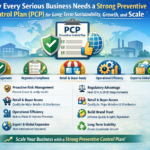
3. Your Preventive Control Plans Must Be Ready BEFORE You Apply
This is non-negotiable, and it catches many first-time applicants off guard.
If your products require preventive control plans under SFCR food safety regulations, you must prepare and implement them before requesting your SFC license. The CFIA isn't going to issue you a license and then wait for you to develop your food safety systems.
Your preventive control plans need to include:
- Written procedures for food safety hazards
- Traceability protocols
- Recall procedures
- Document control systems
Think of it this way: your license application is proof that you already have the systems in place to import safely: not a promise that you'll build them later.
4. Do NOT Create Multiple Party Profiles in My CFIA
If you already have a My CFIA account party profile, do not create a new one when applying for an import license.
I've seen businesses accidentally create duplicate profiles, which creates administrative nightmares. Use your existing profile to apply. If you're unsure whether you have one, check your My CFIA portal before starting a new application.
My CFIA is your central hub for all CFIA interactions: it's available 24/7 and allows you to track applications, manage documents, and pay service fees. Learn to use it properly from the start.

5. The Application Process Takes Time: And the CFIA Doesn't Fast-Track
Here's the reality check many importers need: the CFIA does not manually issue licenses at the border, and all service requests are processed in the order received.
That means:
- No priority processing, regardless of how urgent your shipment is
- No expedited service for "important" clients
- No special exceptions because your buyer is waiting
The CFIA processes applications systematically. If you're launching a new product line or entering the Canadian market for the first time, build processing time into your business timeline. Waiting until the last minute is a recipe for costly delays.
Strategic move: Apply well in advance of your planned shipment dates. If you're serious about entering the Canadian market, your licensing should be part of your market entry strategy: not an afterthought.
6. Submit Your Import Declaration Up to 90 Days in Advance
Most importers don't realize they can submit their electronic import declaration up to 90 days before their shipment arrives at the border.
This is a massive advantage for avoiding clearance delays. The earlier you submit, the more time you have to catch errors, missing documentation, or compliance gaps before your shipment is physically sitting at the border accumulating demurrage fees.
Use this window strategically. It's one of the few areas where you have control over timing in the import process.
7. Your License Number MUST Be Declared Correctly: Or Your Shipment Gets Denied
This is where technical precision becomes critically important.
If your valid SFC license number is not declared correctly on your import declaration through the Integrated Import Declaration (IID) system, your food shipment will be denied entry into Canada until you correct the error and resubmit.
A single typo. A transposed digit. A missing character. Any of these can stop your shipment cold.
Common pitfall: Many businesses hand off the import declaration process to freight forwarders or customs brokers without verifying that the license number is entered correctly. You're the license holder: make sure whoever is filing your declarations has the correct information.

8. Non-Resident Importers CAN Apply (With Conditions)
If you're a U.S. or international company without a physical location in Canada, don't assume you're locked out of the Canadian market.
Non-resident importers can apply for an SFC license for importing food. However, there's an important distinction: if you have a fixed place of business in Canada, you must apply as an importer located in Canada, not as a non-resident importer.
The Non-Resident Importer (NRI) pathway exists specifically for businesses operating outside Canada. Make sure you're applying under the correct category based on your actual business structure.
9. Apply Only for the Commodities You'll Actually Import
When you're filling out your license application, it's tempting to select every commodity category that might possibly, maybe, someday be relevant to your business.
Don't.
You should request a license only for specific commodities and sub-commodities you plan to import with that license. The good news? You can amend your license free of charge later through My CFIA if your product line expands.
Applying for irrelevant commodities complicates your application, may trigger additional requirements you don't need, and creates unnecessary administrative burden.
Strategic approach: Start focused. Expand intentionally.
10. New Organic Product Requirements Are Now in Effect
If you're importing organic products, pay attention: as of May 26, 2025, a digital copy of the organic product certificate must be included with the import declaration to obtain customs clearance.
This is a recent change that many importers haven't incorporated into their processes yet. If you're in the organic space, this needs to be part of your standard operating procedure for every shipment.
Make sure your documentation process includes capturing and submitting these certificates electronically. Paper certificates at the border won't cut it.
Common Pitfalls to Avoid
Beyond these 10 essentials, here are the mistakes I see most often:
Assuming FDA compliance equals CFIA compliance. If you're importing from the U.S., your FDA-compliant documentation and food safety plans are a good start: but they don't automatically meet CFIA requirements. Canada has distinct regulatory frameworks.
Waiting until your first shipment is ready to apply. Your license should be secured long before your first purchase order.
Underestimating traceability requirements. The SFCR has specific traceability provisions that must be built into your systems from day one.
Ignoring label compliance. Your SFC license gets you through the border, but your labels still need to meet Canadian labeling requirements. These are separate regulatory issues that need parallel attention.
The Strategic Advantage of Getting It Right
Here's what separates successful importers from those who struggle: they treat CFIA licensing as a strategic business capability, not a compliance checkbox.
When you understand these requirements deeply and build them into your operations from the start, you gain:
- Predictable border clearance timelines
- Reduced risk of costly shipment delays
- Stronger relationships with Canadian buyers who trust your regulatory competence
- Competitive advantage over importers who are constantly firefighting compliance issues
The Canadian food market represents significant opportunity. But access requires more than good products: it requires regulatory excellence.
Ready to Navigate the CFIA Licensing Process Strategically?
If you're serious about entering or expanding in the Canadian food market, you don't have to figure this out alone. I help food businesses navigate CFIA regulations strategically: ensuring your license application is complete, accurate, and positions you for smooth ongoing compliance.
Whether you're a first-time importer or an established business expanding your product line, let's make sure your CFIA licensing strategy supports your business goals instead of creating bottlenecks.
Get in touch to discuss how strategic regulatory consulting can accelerate your Canadian market entry and protect your supply chain.
Because in today's geopolitical climate, the businesses that win are those who turn regulatory complexity into competitive advantage.