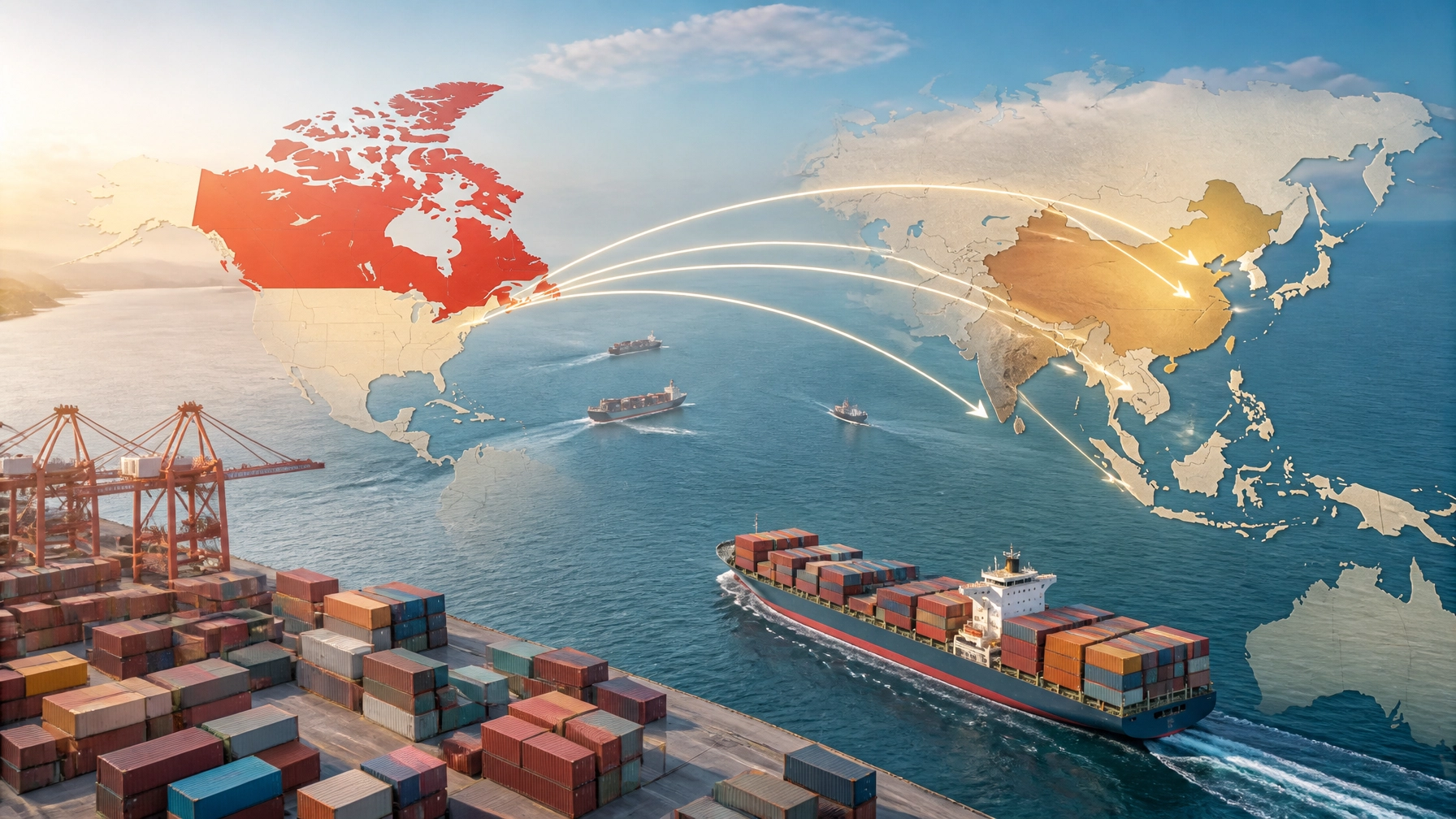
FDA vs. CFIA: Why Your U.S. Food Safety Plan Might Fail at the Canadian Border

You've done everything right. Your facility passed its FDA audit with flying colors. Your FSMA Preventive Controls plan is airtight. Your team includes a certified PCQI. You're ready to scale north and tap into the Canadian market.
Then your shipment gets held at the border.
Sound familiar? If you're a U.S. food exporter who assumed your FDA-compliant operation would sail through Canadian customs, you're not alone. It's one of the most common: and costly: mistakes I see.
Here's the hard truth: FDA compliance does not equal CFIA compliance. Not even close.
Two Countries, Two Completely Different Playbooks
Let's clear something up right away. The FDA and the Canadian Food Inspection Agency (CFIA) did recognize each other's food safety systems as "comparable" back in 2016. That sounds reassuring, right?
Here's what that actually means: comparable, but not identical.
Different agencies. Different regulations. Different ingredient approvals. Different labeling requirements. Different paperwork.
The U.S. operates under the Food Safety Modernization Act (FSMA) and FDA oversight. Canada operates under the Safe Food for Canadians Regulations (SFCR) and CFIA enforcement.
These systems were built independently. They don't talk to each other. And CFIA inspectors at the border don't care how many FDA audits you've passed.

The Top Reasons U.S. Food Products Get Rejected at the Canadian Border
After 20+ years working in food safety: including time as a CFIA insider: I've seen the same mistakes trip up U.S. exporters over and over again. Let's break down the big ones.
1. Your Labels Don't Meet Canadian Standards
This is the number one culprit. Your beautifully designed, FDA-compliant label? It might be illegal in Canada.
Here's why:
- Bilingual requirements: All mandatory information must appear in both English and French. No exceptions.
- Nutrition Facts Table format: Canada uses a different format than the U.S. Nutrition Facts panel. The layout, units, and daily value percentages differ.
- Allergen declarations: Canada has specific priority allergen labeling rules that don't mirror FDA requirements.
- GMO labeling: Mandatory in Canada. Not federally required in the U.S.
- Food additive declarations: What's acceptable (and how it's listed) varies between jurisdictions.
I've seen entire shipments turned away because of font size issues on bilingual labels. It's that precise.
2. Your Ingredients Aren't Approved in Canada
Here's a fun surprise for many exporters: an ingredient that's perfectly legal in the U.S. might be prohibited in Canada.
The FDA and CFIA maintain separate lists of approved food additives, colors, and processing aids. Just because the FDA gave something the green light doesn't mean Health Canada agrees.
Before you ship, every single ingredient in your formulation needs to be verified against Canadian regulations. Skip this step, and you're gambling with your shipment.
3. Your Preventive Control Plan Doesn't Translate
Both countries require preventive control plans. But they're structured differently.
Under FSMA, most U.S. facilities need a Preventive Controls Qualified Individual (PCQI) on staff. Canada's SFCR? No PCQI requirement domestically. However, the SFCR does require a written Preventive Control Plan (PCP) that meets Canadian-specific criteria.
Here's where it gets tricky:
- SFCR offers more flexibility in how you structure your plan
- FSMA has more prescriptive, directive requirements
- The hazard analysis expectations differ
- Documentation and record-keeping standards vary
Your rock-solid FSMA plan might be missing elements that CFIA considers mandatory. Or it might include things structured in ways that don't align with Canadian expectations.
Bottom line: You can't just photocopy your FDA paperwork and hand it to a CFIA inspector.

The Real Cost of Getting This Wrong
Let's talk about what's actually at stake here.
Border rejections don't just mean your product sits in customs limbo. They mean:
- Storage fees piling up daily
- Potential destruction of perishable goods
- Re-labeling or reformulation costs
- Missed delivery windows and angry retail partners
- Damaged reputation with Canadian buyers
- Repeat inspection flags on future shipments
One rejected shipment can cost tens of thousands of dollars. Multiple rejections? You might find yourself effectively blacklisted from efficient border crossings.
And here's the kicker: these problems are almost always preventable. They just require knowing what to look for before you ship.
The Smarter Way to Enter the Canadian Market
I've spent over two decades on both sides of this border, literally. I know how CFIA thinks because I used to be part of the system. And I've made it my mission to help U.S. exporters avoid the expensive lessons I've watched others learn the hard way.
My approach combines that insider knowledge with modern technology. Because let's be honest: manually comparing your entire operation against Canadian regulations is tedious, time-consuming, and prone to human error.
That's why I've built a tech-forward compliance process that actually works.
Canada Market Entry Blueprint
A comprehensive roadmap tailored to your specific products and operation. We identify every gap between your current FDA-compliant status and what CFIA actually requires: before you ship anything.
SFCR & PCP Translation
Your existing food safety documentation, translated into CFIA-speak. Not a word-for-word translation, but a functional conversion that ensures your preventive control plan meets Canadian regulatory expectations.
AI-Powered Compliance Forensics
This is where the magic happens. Using advanced AI tools, I can pre-scan your labels, formulations, and documentation to flag potential compliance gaps faster and more thoroughly than traditional manual review. Think of it as a digital CFIA inspector reviewing your file before the real one does.

Why Work With Someone Who's Been on the Inside?
There's a difference between reading the regulations and understanding how they're actually enforced.
I've sat in the rooms where inspection priorities are set. I've seen which violations trigger automatic rejections and which ones get a warning. I know the questions CFIA inspectors ask: and the answers they're looking for.
That insider perspective, combined with a tech-forward approach, means you get:
- Faster compliance reviews
- Fewer surprises at the border
- A clear path from FDA-ready to CFIA-approved
- Confidence that your Canadian expansion won't become a regulatory nightmare
Ready to Scale North the Right Way?
The Canadian market is waiting. Over 38 million consumers who already love American food brands. Favorable trade agreements. Growing demand for quality products.
But that opportunity only pays off if your products actually make it across the border.
Don't let a preventable compliance gap derail your Canadian expansion.
If you're serious about entering the Canadian market: or if you've already had a shipment held up and need to fix things fast: let's talk.
Book a Canada Market Entry Consultation and get a clear picture of exactly what stands between you and successful Canadian market entry.
Your FDA compliance got you this far. Let's make sure it's not what holds you back.
KNOWLEDGE HUB
- https://nerissaallen.com/knowledge/cfia-airs-automated-import-reference-system-food-canada/
- https://nerissaallen.com/knowledge/country-of-origin-affects-food-import-requirements-canada/
- https://nerissaallen.com/knowledge/front-of-pack-labelling-food-imports-canada-2026/
- https://nerissaallen.com/knowledge/cfia-certificate-requirements-animal-ingredients-usa-2026/
- https://nerissaallen.com/knowledge/cfia-food-import-enforcement-changes-2026/
- https://nerissaallen.com/knowledge/health-canada-authority-food-imports-canada/
- https://nerissaallen.com/knowledge/health-canada-authority-food-imports-canada/
- https://nerissaallen.com/knowledge/cbsa-role-food-imports-canada-interaction-cfia/
- https://nerissaallen.com/knowledge/cfia-not-only-agency-food-imports-canada/
- https://nerissaallen.com/knowledge/cfia-food-recall-importer-responsibility-canada/
- https://nerissaallen.com/knowledge/what-traceability-records-must-a-food-importer-keep-under-the-sfcr/
- https://nerissaallen.com/knowledge/is-a-recall-plan-mandatory-for-food-importers-in-canada/
- https://nerissaallen.com/knowledge/how-often-does-a-pcp-need-to-be-updated/
- https://nerissaallen.com/knowledge/written-pcp-required-sfcr-licence-2026-canada/
- https://nerissaallen.com/knowledge/does-my-foreign-supplier-need-to-be-verified-before-i-can-import-their-product-into-canada/
- https://nerissaallen.com/nerissaallen-com-knowledge-what-is-preventive-control-plan-pcp-canada-sfcr/
- https://nerissaallen.com/knowledge/foreign-company-sfcr-licence-import-food-canada/
- https://nerissaallen.com/knowledge/how-long-sfcr-food-import-licence-canada/
- https://nerissaallen.com/knowledge/sfcr-licence-cover-all-food-commodities-canada/
- https://nerissaallen.com/knowledge/do-i-need-sfcr-licence-before-food-shipment-canada/