How to Navigate Canada's New Allergen Disclosure Rules Without Getting Recalled
![[HERO] How to Navigate Canada's New Allergen Disclosure Rules Without Getting Recalled](https://cdn.marblism.com/FF2d07Rfc74.webp)
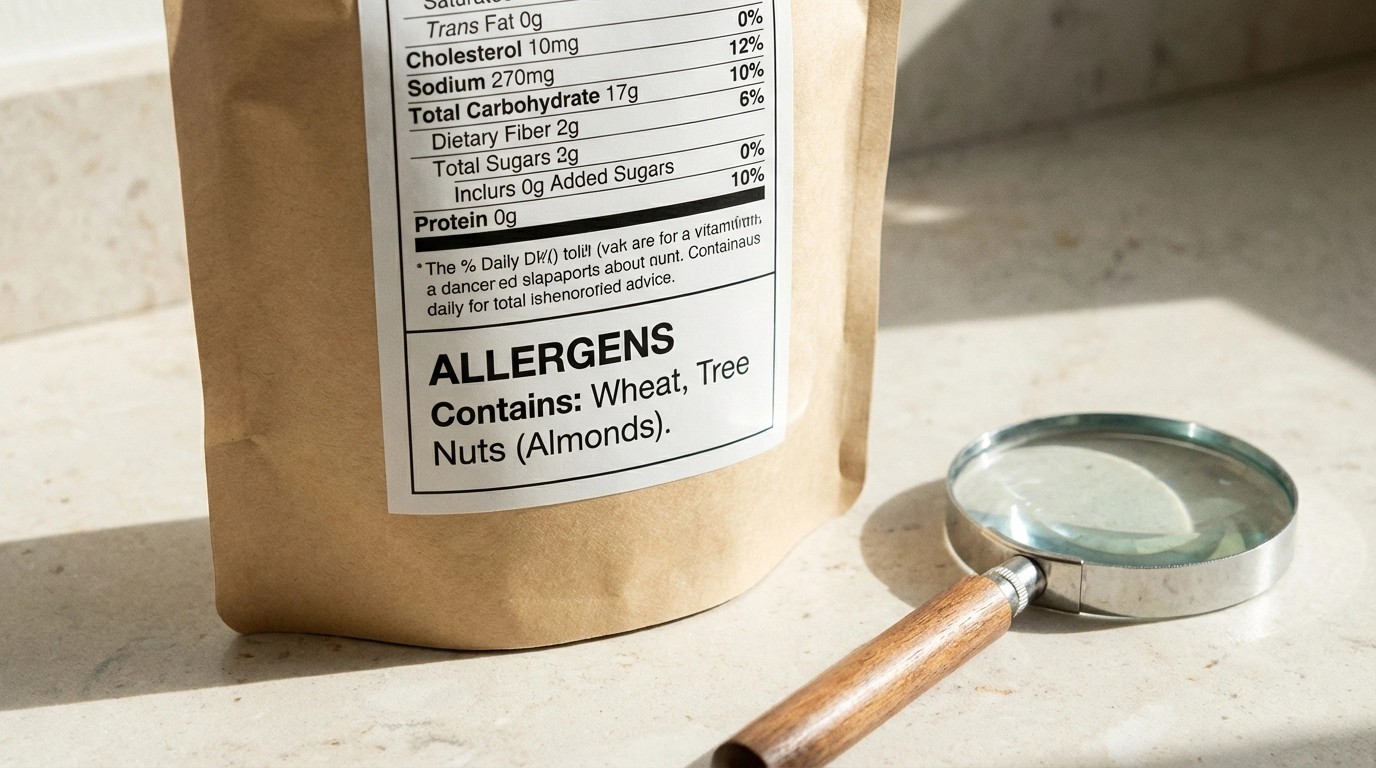
Let's talk about one of the most expensive mistakes you can make in the Canadian food industry: getting your allergen labels wrong.
I'm not trying to scare you. Okay, maybe a little. But here's the thing, allergen-related recalls are among the most common in Canada, and they're almost always preventable. The Canadian Food Inspection Agency (CFIA) doesn't mess around when it comes to undeclared allergens, and neither should you.
Whether you're a domestic food manufacturer or an international exporter eyeing the Canadian market, understanding allergen disclosure isn't optional. It's survival. So let's break down exactly what you need to know to keep your products on shelves and out of recall notices.
Meet the Big 11: Canada's Priority Allergens
If you're coming from the U.S. market, heads up, Canada does things a bit differently. While the FDA focuses on the "Big 9," Canada has its own priority allergen list, and it includes 11 allergens plus sulphites.
Here's the full lineup:
- Peanuts
- Tree nuts (almonds, Brazil nuts, cashews, hazelnuts, macadamia nuts, pecans, pine nuts, pistachios, walnuts)
- Sesame seeds
- Milk
- Eggs
- Fish (including crustaceans and shellfish)
- Soy
- Wheat and triticale
- Mustard
- Sulphites (at levels of 10 ppm or more)
- Gluten sources (wheat, barley, rye, oats, triticale, or their hybridized strains)
Notice anything different? Mustard and sesame are priority allergens in Canada. Sesame only recently made it onto the U.S. list, but Canada's been tracking it for years. Mustard? Still not a major allergen in the States.
This matters because if you're reformulating products for the Canadian market or importing from countries with different allergen regulations, you can't just slap a Canadian flag on your existing label and call it a day. You need to actually declare these allergens, clearly and completely.

The "May Contain" Minefield
Ah, precautionary allergen labeling. The infamous "may contain" statement. It's one of the most misunderstood tools in food labeling, and misusing it can land you in hot water.
Here's the deal: "May contain" statements are voluntary in Canada, but that doesn't mean you should throw them around carelessly.
These statements are meant to warn consumers about unintentional cross-contamination during manufacturing. They're appropriate when:
- You manufacture products with and without a specific allergen on shared equipment
- Thorough cleaning between runs doesn't completely eliminate the risk
- You've done a legitimate risk assessment and determined the hazard is real
They are not appropriate when:
- You're using them as a catch-all because you're too lazy to verify your ingredients
- There's no actual cross-contamination risk
- You're trying to cover up poor manufacturing practices
Overusing "may contain" statements erodes consumer trust and can actually put people with allergies at risk. They stop reading the warnings because everything seems to contain everything. Meanwhile, underusing them when there's a genuine risk? That's a lawsuit waiting to happen.
The CFIA expects you to back up any precautionary statement with documented evidence of a real risk. If you can't prove it, don't print it.
Plain Language: Ditch the Technical Jargon
Here's where a lot of food businesses trip up. You can't hide allergens behind scientific names and expect that to fly.
Canada's Food and Drug Regulations require that priority allergens be declared using common names that consumers actually understand. That means:
- Casein becomes milk
- Albumin becomes egg
- Hydrolyzed vegetable protein (if from soy) becomes soy
You get the idea. The goal is clarity. A consumer with a peanut allergy shouldn't need a chemistry degree to figure out if your product is safe for them.
This also means you need to be specific with tree nuts and fish. You can't just say "tree nuts", you need to identify which ones (almonds, cashews, etc.). Same with fish and shellfish species.

Hidden Allergens: The Ingredients Within Ingredients
This is where things get sneaky. An allergen doesn't have to be a primary ingredient to cause a recall. It can be lurking inside a compound ingredient, a processing aid, or even a flavor blend.
Common hiding spots include:
- Natural flavors (could contain soy, wheat, or dairy derivatives)
- Spice blends (hello, mustard)
- Seasonings (wheat-based fillers are everywhere)
- Hydrolyzed proteins (soy, wheat, or milk-based)
- Modified food starch (often wheat-derived)
- Lecithin (soy or egg-based)
Your label is only as accurate as your ingredient knowledge. If you don't know exactly what's in that "proprietary seasoning blend" from your supplier, you're gambling with your brand reputation.
This is why supplier validation isn't just a nice-to-have, it's essential. But we'll get to that in a minute.
The True Cost of a Recall
Let's talk money. Because nothing motivates compliance quite like understanding what non-compliance actually costs.
A food recall due to undeclared allergens isn't just embarrassing, it's expensive. We're talking:
- Direct costs: Product retrieval, destruction, replacement inventory
- Indirect costs: Lost sales, damaged retailer relationships, legal fees
- Reputation damage: Consumer trust takes years to rebuild
- Regulatory scrutiny: Once you're on CFIA's radar, expect more inspections
And here's the kicker, allergen recalls are often Class I recalls, meaning there's a reasonable probability that consuming the product will cause serious adverse health consequences or death. That's the highest risk category.
According to CFIA data, undeclared allergens consistently rank among the top reasons for food recalls in Canada. Many of these are caused by simple labeling errors that could have been caught with proper review processes.
One typo. One missed ingredient. One supplier who changed their formula without telling you. That's all it takes.

Your Preventive Control Plan: The Allergen Chapter
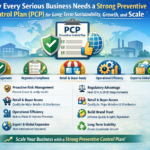
If you're selling food in Canada, you likely need a Preventive Control Plan (PCP). And within that PCP, allergen management should be front and center.
Your allergen controls should address:
- Ingredient receiving and storage: Segregate allergenic ingredients and clearly label them
- Production scheduling: Run allergen-free products first, or implement validated cleaning between runs
- Equipment and utensil control: Dedicated or color-coded tools for allergen handling
- Cleaning and sanitation: Validated cleaning procedures for allergen removal
- Label verification: Double-check that the right label goes on the right product every single time
- Rework handling: Know exactly what's in your rework and where it can be used
Your PCP should be a living document. Review it regularly, especially when you introduce new products, change suppliers, or modify your facility layout.
Trust But Verify: Supplier Validation
Your allergen program is only as strong as your weakest supplier. You might have bulletproof internal controls, but if your ingredient supplier sends you a contaminated batch or changes their formula without notifying you, you're the one facing the recall.
Here's how to protect yourself:
- Request allergen declarations from every supplier, in writing
- Ask about cross-contamination risks at their facilities
- Verify claims through Certificates of Analysis or third-party testing when warranted
- Establish change notification agreements so you're alerted to formula modifications
- Conduct periodic audits of critical suppliers
Don't assume your longtime supplier "would never" let allergens slip through. Get it documented. Keep records. When the auditor comes knocking, paperwork is your best friend.

Training: Everyone Plays a Role
Allergen management isn't just a QA problem. It's a company-wide responsibility.
From the folks receiving ingredients at the dock to the line workers packaging finished products, everyone needs to understand:
- What the priority allergens are
- How cross-contact happens
- Why label accuracy matters
- What to do if they suspect a problem
Training should be regular, documented, and actually engaging. (Yes, it's possible to make allergen training not boring.) Use real-world examples, quiz your team, and make sure new hires get up to speed before they touch product.
And don't forget your warehouse team. If they're shipping the wrong product to a customer because labels look similar, your manufacturing controls don't mean much.
Ready to Get Your Labels Right?
Look, allergen compliance isn't glamorous. But it's one of those foundational things that separates professional food operations from those flying by the seat of their pants.
The good news? You don't have to figure it out alone.
Schedule a Label Compliance Audit with Nerissa Allen and let's make sure your allergen declarations are bulletproof before the CFIA comes calling. Whether you're launching a new product, entering the Canadian market, or just want peace of mind, a fresh set of expert eyes can catch what you might have missed.
Get in touch today and let's keep your products where they belong: on shelves, not in recall notices.